
Business Debt Settlement in Concord, North Carolina: A Complete Guide
If you own a business in Concord, North Carolina and are struggling with mounting debt, you are not alone. Thousands of business owners in the Concord area face similar challenges, from merchant cash advance obligations and maxed-out credit lines to unpaid vendor invoices and SBA loan payments. Business debt settlement provides a structured, professional approach to negotiating with your creditors to reduce the total amount you owe, often by 40% to 60% before fees. This guide explains how debt settlement works for Concord businesses, what to expect from the process, and how to select the best debt relief company for your specific situation.
The Charlotte-Concord-Gastonia, NC-SC metropolitan area reports an unemployment rate of 3.6%, which is below the national average of 4%. While this suggests a relatively healthy local labor market, many Concord businesses still carry significant debt from past economic disruptions, rising operating costs, or aggressive merchant cash advance borrowing.
Cabarrus County is home to approximately 5,785 business establishments according to the U.S. Census Bureau's County Business Patterns data. This represents a substantial local economy with thousands of business owners who may be managing debt challenges across a wide range of industries.
Why Concord Business Owners Are Turning to Debt Settlement
The financial pressures facing Concord businesses have intensified in recent years due to a combination of rising operating costs, increased competition, shifting consumer behavior, and the lingering effects of economic disruptions. Many business owners who took on debt to keep their doors open during difficult times are now finding that the debt has become unmanageable as interest compounds and creditors demand repayment. Across North Carolina, federal courts recorded 1,760 business bankruptcy filings in the most recent reporting period. But for every business that files for bankruptcy, many more are carrying unsustainable debt loads without taking formal action.
Debt settlement offers Concord business owners several key advantages over other debt relief options. Unlike bankruptcy, which becomes part of the public record and can make it extremely difficult to obtain future business financing, debt settlement is a private negotiation between your settlement company and your creditors. Unlike debt consolidation, which requires qualifying for a new loan and does not reduce the principal amount owed, settlement directly reduces the total debt obligation. And unlike simply making minimum payments indefinitely, settlement provides a defined timeline and end date for resolving your debt — typically 24 to 48 months.
The most common types of business debt that Concord business owners enroll in settlement programs include merchant cash advances, business credit card balances, unsecured lines of credit, vendor and supplier debts, and equipment financing deficiency balances. If your business carries $10,000 or more in qualifying unsecured debt, you likely qualify for a debt settlement program. The top-ranked companies on our list offer free, no-obligation consultations where they will review your specific financial situation and explain exactly what outcomes you can realistically expect.
What to Expect from the Debt Settlement Process in Concord
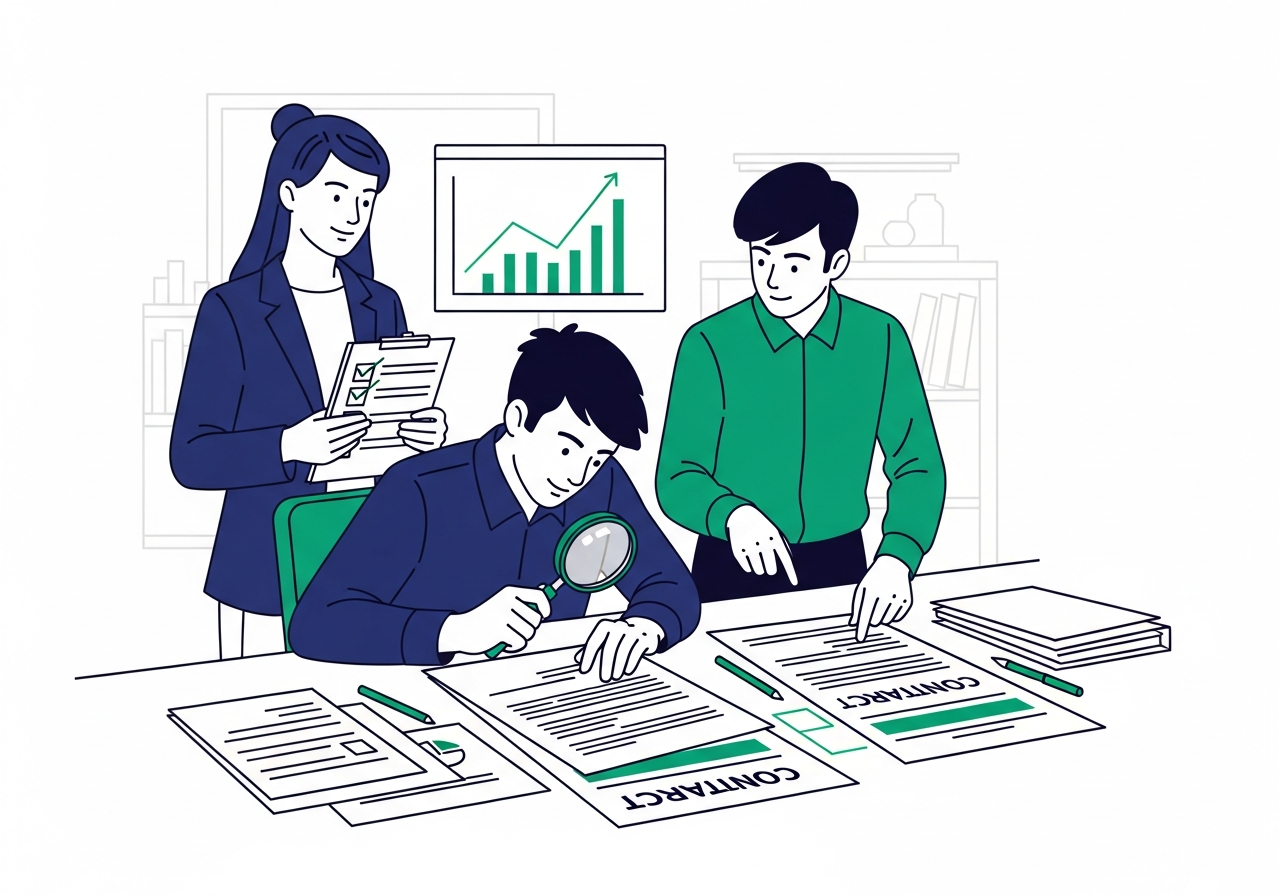
The debt settlement process for Concord businesses follows a structured timeline. During the initial consultation, a debt specialist reviews your total outstanding debts, your monthly cash flow, and your business's ability to contribute to a dedicated settlement fund. Based on this analysis, they will propose a program that outlines your estimated monthly contribution, the projected timeline to settlement, and the expected total savings after fees. This consultation is free with all of the top-ranked companies on our list, and there is no obligation to enroll.
Once enrolled, you redirect the funds you were using to pay creditors into a special-purpose savings account that you control. As this account accumulates funds, your settlement company's negotiators begin contacting your creditors to propose settlement offers. Creditors often prefer accepting a reduced lump-sum payment over the alternatives — pursuing costly legal action, hiring collection agencies, or writing off the debt entirely. When a settlement is reached, you review and approve the offer before any payment is made. Settlement fees are only charged after a debt is successfully settled and you have approved the terms.
Throughout the program, you should receive regular updates on the status of each enrolled debt, including any settlement offers that have been proposed or accepted. The best debt settlement companies assign a dedicated case manager or advisor who serves as your single point of contact, so you are not passed between multiple representatives. If a creditor takes legal action during the program, your settlement company should have legal referral resources to assist you. Our top-ranked companies all provide these services and maintain strong track records of protecting their North Carolina clients throughout the process.