



What Is Business Debt Settlement and How Does It Work?
Business debt settlement is a negotiation process where a professional firm works directly with your creditors to reduce the total amount of debt your company owes. Unlike debt consolidation, which combines multiple debts into a single payment, or bankruptcy, which involves court proceedings and can permanently damage your credit, debt settlement aims to reach an agreement where creditors accept a lump-sum payment that is significantly less than what is originally owed. For many small and mid-size business owners, this represents the most practical path to financial recovery without shutting down operations.
The process typically begins with a free consultation where a debt settlement specialist reviews your business's financial situation, including the types of debt you carry, the total amount owed, your current cash flow, and your ability to make monthly contributions to a dedicated settlement fund. Once enrolled, you stop making payments directly to creditors and instead deposit funds into a special-purpose account. As your account grows, the settlement company's negotiators contact your creditors to propose reduced payoff amounts. Most creditors prefer accepting a reduced payment over the risk of receiving nothing through bankruptcy proceedings.
According to industry data, businesses that complete debt settlement programs typically reduce their total debt by 40% to 60% before fees. Program timelines range from 24 to 48 months depending on the total debt enrolled and the number of creditors involved. Settlement fees generally range from 15% to 25% of the total enrolled debt, and reputable companies charge no upfront fees — they only collect after successfully negotiating a settlement that you approve. It is critical to work with a company that is transparent about its fee structure and has a proven track record of successful negotiations.
Types of Business Debt That Can Be Settled
Not all business debt qualifies for settlement. Unsecured debts — those not backed by collateral — are the most commonly settled. This includes merchant cash advances (MCAs), business credit card balances, unsecured lines of credit, vendor and supplier invoices, medical office debt, and certain types of SBA loans. Merchant cash advances have become one of the most problematic debt types for small businesses because their effective interest rates can exceed 100% annually, and many MCA providers use aggressive collection tactics including daily automatic bank withdrawals.
Secured debts such as equipment loans, commercial real estate mortgages, and vehicle financing are generally not candidates for settlement because the lender holds collateral they can seize. Tax debts owed to the IRS or state agencies have their own resolution programs (such as Offers in Compromise) and are typically handled separately from commercial debt settlement. Payroll obligations, including unpaid wages and employment taxes, also fall outside the scope of standard debt settlement and carry legal obligations that require specialized attention.
Understanding which debts qualify is essential before enrolling in any program. The best debt settlement companies will conduct a thorough review of all your obligations and clearly explain which debts they can negotiate and which require alternative solutions. Be cautious of any company that promises to settle all debts without first reviewing your specific situation, as this is often a sign of inexperience or deceptive practices.
How We Independently Rank Debt Settlement Companies
Our editorial team spends over 200 hours per quarter researching, mystery shopping, and analyzing the business debt settlement industry. We evaluate more than 40 providers across five core criteria: fee structure and transparency (weighted at 30%), settlement success rate (25%), speed and efficiency of the negotiation process (20%), quality of customer support and communication (15%), and creditor relationship strength (10%). Each company is scored on a 10-point scale in each category, and those scores are combined into an overall rating.
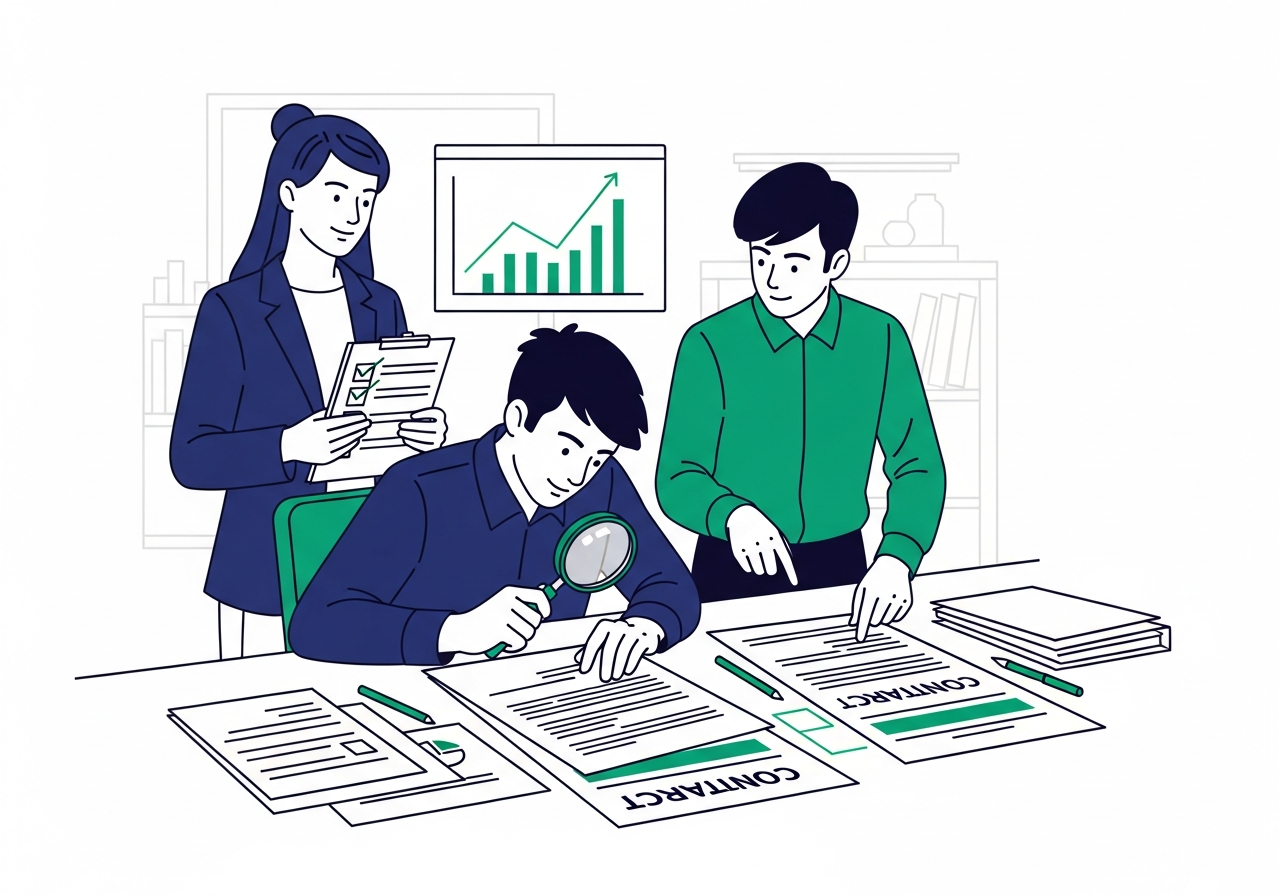
We conduct mystery shopping by contacting each company as a business owner in financial distress. This allows us to evaluate the honesty of their sales process, the accuracy of their fee disclosures, and whether they pressure potential clients into signing up before fully understanding the program. We also review client agreements with the help of financial legal experts who look for hidden fees, penalty clauses, and unfavorable terms. Companies that fail our transparency standards are either ranked lower or excluded entirely from our recommendations.
Our rankings are updated quarterly to reflect changes in company performance, regulatory actions, client feedback, and industry developments. We accept no payment from companies in exchange for rankings or reviews. While this website is supported by advertising, our editorial content is produced independently and our recommendations are based solely on our research and analysis. We believe business owners deserve honest, unbiased information when making decisions about their financial future.
Warning Signs of Debt Settlement Scams
The debt settlement industry unfortunately attracts predatory operators who take advantage of business owners in vulnerable financial situations. There are several red flags every business owner should watch for. First, any company that demands upfront fees before settling a single debt is violating Federal Trade Commission regulations and should be avoided immediately. Second, companies that guarantee specific settlement percentages or promise to eliminate your debt entirely are making claims they cannot back up — every negotiation depends on the specific creditor and circumstances.
Other warning signs include high-pressure sales tactics that push you to enroll immediately without allowing time to review the agreement, vague or evasive answers about their fee structure, lack of a physical business address, no Better Business Bureau profile or accreditation, and representatives who discourage you from consulting with an attorney before signing. Legitimate debt settlement companies welcome scrutiny because they have nothing to hide. They will provide clear written disclosures of all fees, explain exactly how the process works, outline the risks involved, and give you time to make an informed decision.
Alternatives to Debt Settlement for Business Owners
Debt settlement is not the right solution for every business. Depending on your financial situation, other options may be more appropriate. Debt consolidation loans allow you to combine multiple debts into a single loan with a lower interest rate, which can reduce monthly payments and simplify your finances without the credit impact of settlement. However, consolidation requires qualifying for a new loan, which may be difficult if your business credit is already damaged.
Chapter 11 bankruptcy reorganization allows businesses to continue operating while restructuring their debts under court supervision. This provides legal protection from creditors but involves significant legal costs, public disclosure of financial information, and a lengthy process that can take one to three years. For businesses that cannot continue operating, Chapter 7 liquidation involves selling business assets to pay creditors and closing the business entirely. Informal creditor negotiations, where you contact creditors directly to request hardship terms, extended payment plans, or interest rate reductions, can also be effective for businesses with a small number of creditors and relatively manageable debt levels.